


The Brahma Kamal Plant Vastu highlights the necessity of caring for this gorgeous Himalayan bloom. Brahma Kamal, also known as Saussurea obvallata, needs certain circumstances to thrive and produce gorgeous blooms. Providing correct care is critical for its healthy growth and beautiful appearance.
In Hindu mythology, the Brahma Kamal plant is regarded as a sacred symbol of purity and transcendence. It is claimed that Lord Brahma produced this mystical flower to help Lord Shiva place an elephant’s head on Lord Ganesha’s body. As the flower released the “elixir of life” from its petals, Ganesha came back to life!
The king of Himalayan flowers is frequently utilized in Lord Shiva worship, particularly in the sacred temples of Kedarnath, Badrinath, and Tunganath. According to legend, the Brahma Kamal flower holds mystical abilities that, when offered to Lord Shiva, will grant all of your wishes.
Brahma Kamal Plant Health Benefits
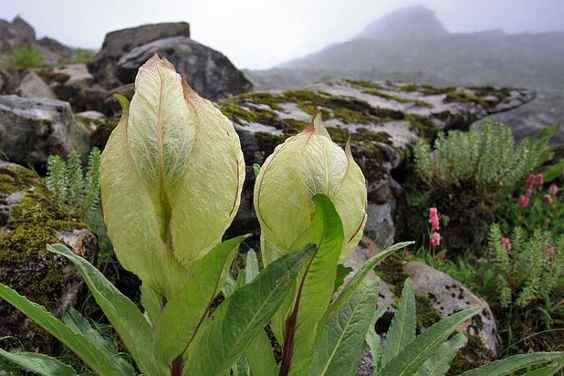
The Brahma Kamal plant, which grows in the Indian Himalayan region, is utilized for a variety of therapeutic uses by peasants in the higher Himalaya. While its therapeutic effects have not been clinically verified, it is said to be a liver tonic, a great appetiser, and effective in treating urinary tract illnesses, fevers, and sexually transmitted diseases.
Other allied plants, such as Kasturi Kamal, Phen Kamal, Snow Lotus, and Grass-leaved Sawwort, are used in traditional medicine to treat a variety of diseases. Furthermore, Brahma Kamal has a high religious value in the region and is utilized as an offering in hill temples during festivals.
Brahma Kamal Plant: Importance & Significance According To Vastu
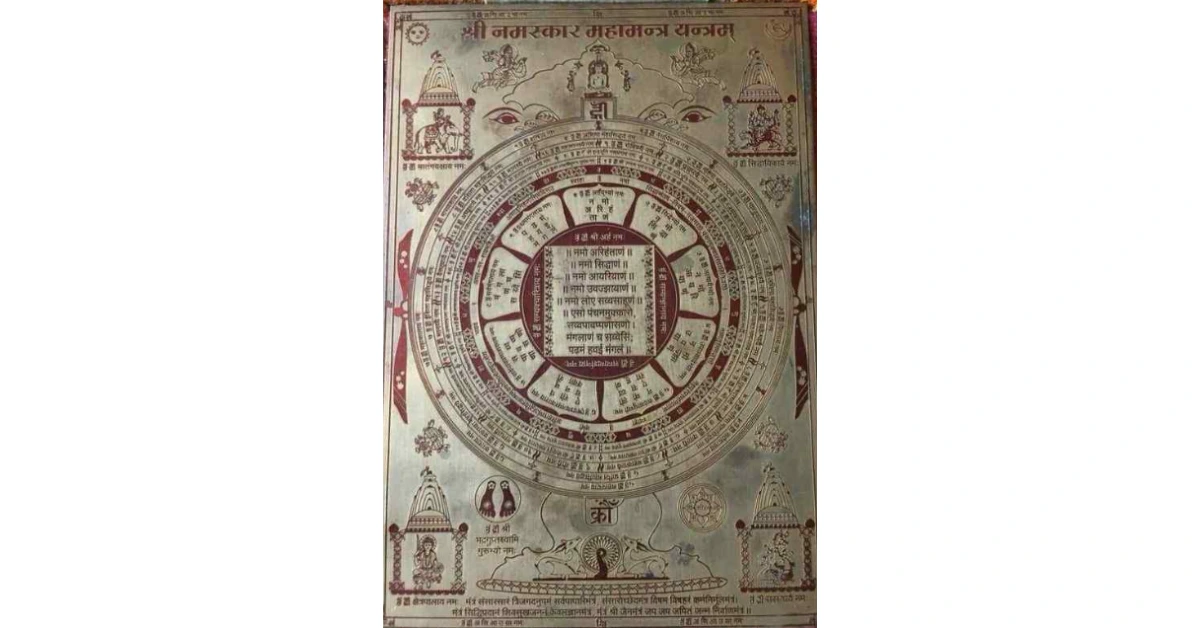
Vastu Shastra is an old Indian practice that teaches people how to design and decorate their homes and other places in ways that promote harmony, balance, and well-being. One of the most important features of Vastu Shastra is the use of plants and flowers to attract positive energy and create a natural, serene environment.
Among the various plants suggested by Vastu Shastra, the Brahma Kamal plant is especially revered and powerful. This sacred flowering plant is thought to bring happiness, good fortune, and wealth to those who have it in their homes or gardens. Its exquisite white blossoms, which bloom exclusively at night, are thought to relax the mind and promote psychological equilibrium and well-being.
Where to Keep the Brahma Kamal Plant According to Vastu?

According to Vastu Shastra, the optimal location for a Brahma Kamal is in the center of a home or in the northeast corner, as this is thought to attract positive energy and protect the household from evil forces. To protect the plant’s health and vitality, keep it in a clean, well-maintained environment with plenty of sunlight and water.
While Brahma Kamal is a lovely and useful plant, Vastu Shastra recommends against purchasing, selling, or giving it as a gift. This is due to the plant’s sacred status, which requires it to be treated with the utmost respect and regard, rather than for pecuniary gain or commercial interests.
Best Climate for Growing Brahma Kamal Plant
The Brahma Kamal plant thrives in warm environments with indirect and steady sunlight exposure. Direct sunlight can induce sunburn on the plant’s leaves, rendering them pale or yellow. As a result, it is critical not to relocate the plant too frequently.
The plant loves temperatures ranging from 25 to 35°C. Strong heat or cold wind might injure the plant, so keep it indoors or in the shade during the tough winters and summers. The plant prefers normal, humid conditions to grow in.
Once the plant begins to bud, it must remain in the same place until it finishes flowering. Repotting the plant at this time may prevent the bud from flowering. The Brahma Kamal plant is neither tall nor short, and it resembles a little bush throughout its life.
How Do I Grow a Brahma Kamal Plant at Home?

To cultivate and care for the Brahma Kamal plant, use a fast-draining potting mix composed of sand and perlite. The plant requires a container with appropriate drainage holes to avoid standing water. Repotting is required every two years or whenever the plant outgrows its container.
During repotting, take care not to harm the root balls. Watering should be avoided for at least two days after repotting to give the plant time to recover.
The Brahma Kamal plant is a succulent that can store water in its leaves, making them soft and fluffy in arid climates. Water the plant when the top layer of soil dries up, but avoid overwatering to prevent root rot. Yellow or brown leaves suggest root decay. To prevent fungal growth, it is recommended to irrigate the soil directly rather than over the leaves. Proper maintenance and regular monitoring will allow the plant to develop and thrive.
Brahma Kamal Plant Care
Brahma Kamal, also known as Saussurea obvallata, is a magnificent flower found in the Himalayas. Providing correct care is critical for its healthy growth and spectacular blooms.
Here are some crucial items to consider when caring for Brahma Kamal plants:
Light: Provide bright, indirect sunshine for at least 6-8 hours every day.
Temperature: Keep the plant in a cool atmosphere, ideally between 50-70°F (10-21°C), and prevent severe heat.
Water the plant thoroughly, allowing any excess water to drain away. Ensure that the soil is moist but not soggy, particularly during the growing season.
Soil: Use a well-drained soil rich in organic matter, such as peat moss, perlite, and sand.
Fertilisation: During the growing season (spring and summer), use a balanced liquid fertiliser once a month.
Pruning: Remove dead or yellowing leaves and discarded flowers to promote new development and keep the plant’s look.
Repotting: Every 2-3 years, repot the Brahma Kamal plant to refresh the soil and make room for development.
Pests and Diseases: Keep an eye out for pests like as aphids and spider mites, and treat any infestations right away. To avoid fungal infections, provide proper air circulation.
FAQ’s
Where is Brahma Kamal found?
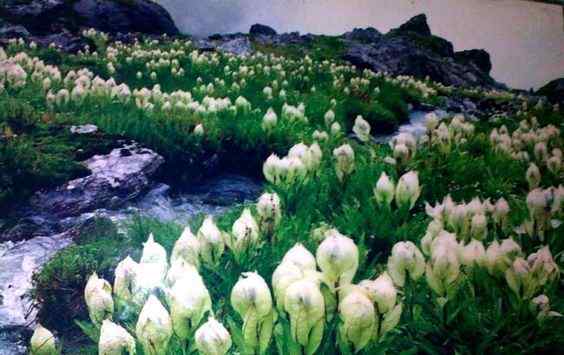
Brahma Kamal is a rare and beautiful flowering plant native to the Himalayas, including Nepal, Bhutan, and Uttarakhand. It often grows at elevations ranging from 3000 to 4800 metres above sea level in rocky and cold terrain.
What are the medicinal uses of Brahma Kamal?
Brahma Kamal has been utilized in traditional medicine for a variety of applications. The plant includes alkaloids, flavonoids, and other phytochemicals that are anti-inflammatory, analgesic, and antioxidant in nature. It is often used to treat fever, cough, cold, and other respiratory problems. The herb has also been used to treat joint discomfort and edema.
What is the scientific name of Brahma Kamal?
The scientific name for Brahma Kamal is Saussurea obvallata. It belongs to the sunflower family (Asteraceae) and is also known as the Himalayan giant or the King of the Himalayas.
Is Brahma Kamal considered lucky?
Many civilizations regard Brahma Kamal as a symbol of good fortune and prosperity. It is thought that the plant provides positive energy and invites riches and success. Some people preserve the plant in their homes or gardens for good fortune.
What is the meaning of Brahma Kamal in Vastu Shastra?
In Vastu Shastra, Brahma Kamal is regarded as an auspicious plant capable of bringing positive energy and harmony into the home. It is thought that keeping the plant in the north or northeast direction of the house will bring good fortune, prosperity, and success.
Can we pluck Brahma Kamal at night?
Yes, you can pluck Brahma Kamal blooms at night, although it is usually best to harvest them during the day when they are completely open for better preservation and to prevent disrupting the plant’s natural cycle.
Does Brahma Kamal require sunlight?
Yes, Brahma Kamal plants require at least 6-8 hours of bright, indirect sunlight per day in order to survive and produce good flowers. However, direct sunshine should be avoided because it can damage the delicate flowers and foliage.
Where exactly should I place a Brahma Kamal plant according to Vastu?
The center of your residence (Brahmasthan) or the northeast corner is good. When the plant is clean, well-lit, and maintained, these directions attract positive energy, calmness, and success.