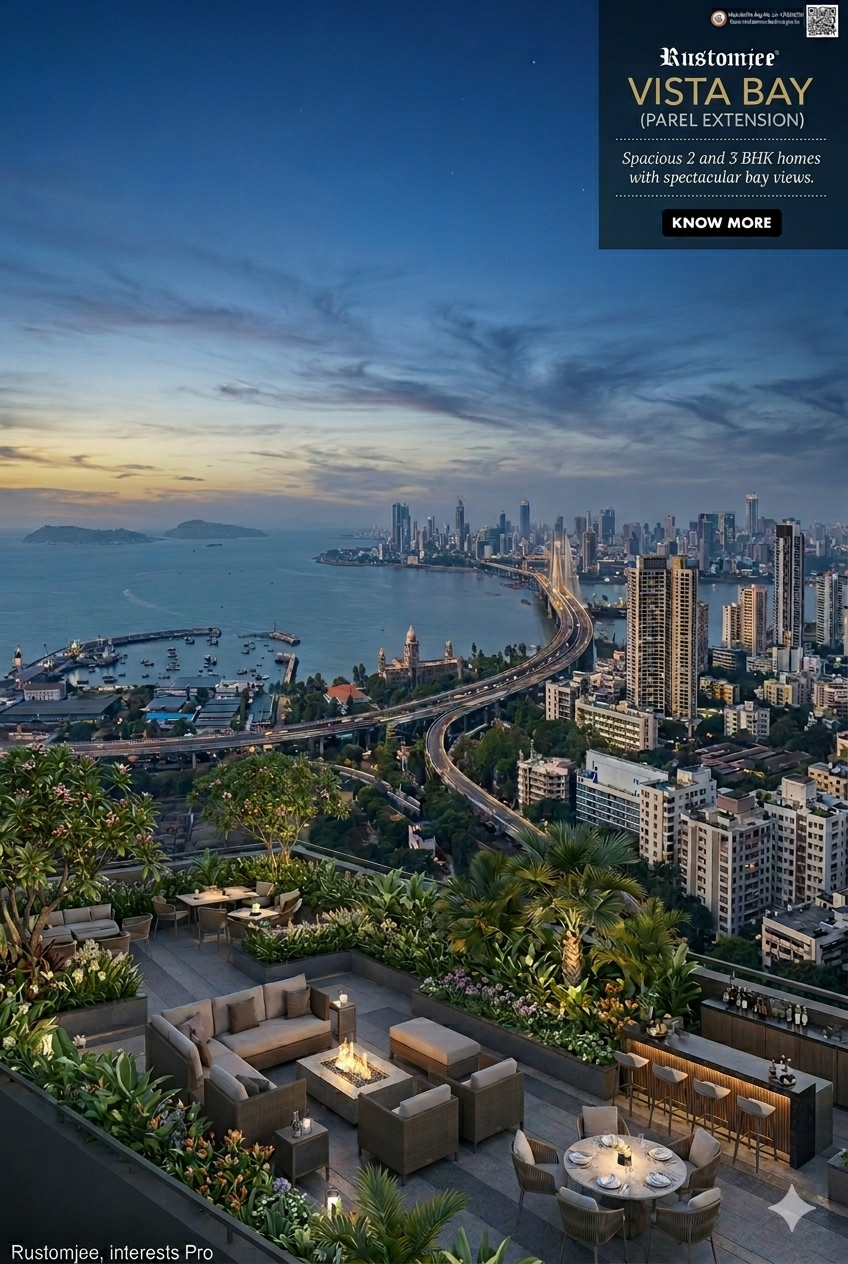


Mumbai’s skyline could soon see a major transformation as the Airports Authority of India (AAI) has proposed a more flexible approach toward granting building height clearances near airport zones. Instead of imposing blanket restrictions across large areas, AAI has suggested evaluating projects on a case-to-case basis, a move that could unlock significant redevelopment opportunities in the city.
Why Building Height Restrictions Matter in Mumbai
Several prime Mumbai locations, including Santacruz, Andheri, Vile Parle, Juhu, Kurla, and Dahisar fall under aviation funnel zones due to their proximity to the airport. In these areas, developers often face strict height limitations to ensure aircraft safety during take-offs and landings.
For years, real estate developers and housing societies have argued that these restrictions reduce redevelopment viability, especially in land-starved Mumbai, where vertical growth is critical. Many redevelopment proposals either become financially unfeasible or face long approval delays due to height-related issues.
Relief for Redevelopment Projects
The proposed case-by-case clearance system could bring major relief to Mumbai’s booming redevelopment sector. Thousands of ageing buildings across the city are awaiting reconstruction, and taller towers are often essential to make redevelopment economically sustainable for both developers and residents.
Experts believe the move could particularly benefit societies located near airport zones, where redevelopment potential has remained underutilised because of rigid aviation norms. Flexible approvals may allow better project planning while still maintaining safety standards.
Balancing Urban Growth and Aviation Safety
Mumbai continues to witness rising demand for modern housing, luxury towers, and mixed-use developments. At the same time, authorities must ensure that aviation operations remain safe and efficient. The new proposal aims to strike a balance between these two priorities.
Urban planners and real estate experts say that a project-specific evaluation system can help the city optimise land use without compromising airport safety. If implemented effectively, the policy could reshape Mumbai’s future skyline and accelerate redevelopment across several high-demand neighbourhoods.
Impact on Mumbai Real Estate
The proposal comes at a crucial time when Mumbai’s redevelopment activity is at an all-time high. Developers are increasingly focusing on replacing old housing societies with modern high-rise towers featuring better amenities and larger housing inventories.
A more practical clearance mechanism could improve project feasibility, attract greater investment into redevelopment, and help increase housing supply in key urban zones. Industry experts believe the move may also positively influence property values in areas previously affected by strict height caps