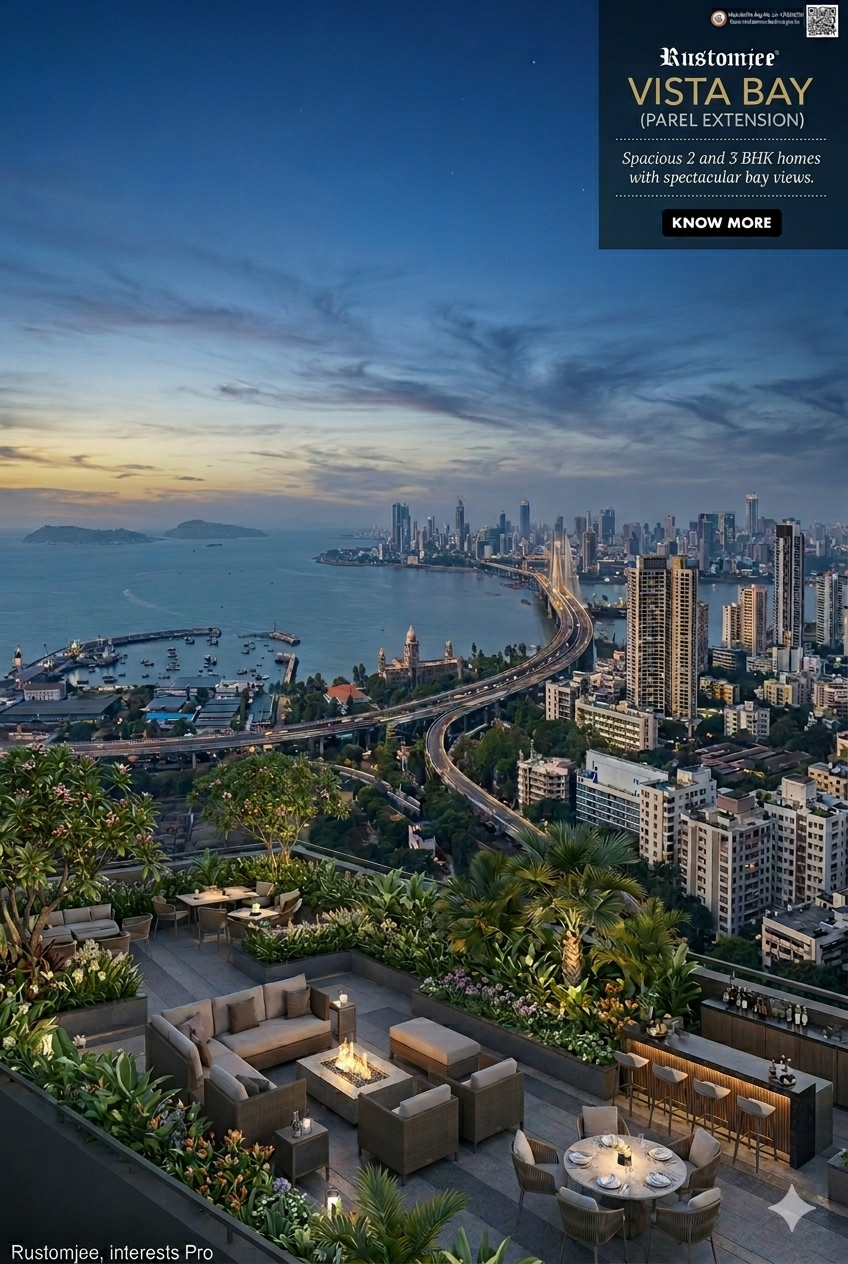


The advent of AI-powered “breathable buildings” marks a change in Mumbai’s real estate market from standard smart home features to health-focused infrastructure. A substantial pilot project is planned to incorporate modern air filtration technologies into large-scale developments, bringing indoor air quality to the forefront of urban living. This move reflects increased knowledge of pollution dangers and changing shopper expectations in densely populated places.
AI Integration for Building Infrastructure
The innovative technology uses real-time environmental sensors and artificial intelligence to dynamically optimize indoor air quality. It constantly monitors interior and outdoor conditions, changing filtration and airflow to maintain safer air standards. Unlike traditional systems, it targets ultrafine particulate matter, toxic gasses, and microbiological contaminants more efficiently, providing a proactive rather than reactive filtration.
From smart homes to healthy buildings.
For years, developers have promoted buildings with smart technologies like automation and connected devices. The present shift establishes “healthy buildings” as a new standard, with air becoming a key design aspect. This progression reflects a larger trend in urban planning, which prioritizes tenant well-being over convenience and luxury.
Air quality as a real estate differentiator.
Air pollution is having an increasing impact on property values, particularly in big metropolitan areas. According to studies, individuals spend approximately 90% of their time indoors, where air quality can often be worse than outside due to pollutants trapped inside. As knowledge rises, clean indoor air may take precedence over location, connectivity, and amenities in deciding property demand and pricing.
Scalability and Future Urban Adoption.
The Mumbai pilot is intended to be scalable, with the possibility of expanding to other residential and commercial developments. If proven effective, such solutions might be included into the design process rather than as add-ons. Cities with significant pollution issues, such as Delhi and Bengaluru, may embrace similar systems. This could reshape urban living standards, making clean air a visible and monetizable characteristic in future real estate markets.